
Residency Interviews Blog

Preparing for Residency Interview Day
A Practical, Structured Guide for IMGs

Author picture
I hope you enjoy reading this blog post.

If you want my team to help you with your Interview Preparation, click here.

Residency interview day holds significant weight for international medical graduates because it reflects years of academic effort, sacrifice, and uncertainty. A structured, intentional approach helps the day run smoothly and allows candidates to present themselves clearly, confidently, and readily for Match 2026. The guide below outlines practical steps to prepare beforehand, manage the flow of the day, and maintain composure throughout the process.

If you need any coaching or guidance with your interview preparation, make sure to check out our interview coaching package here, in which we do one-on-one mock interviews and provide feedback.

We also have detailed guides on 250+ residency interview questions, Residency Interview Red Flags & How to Answer Them, and What to Wear to Your Residency Interview.

Table of Contents

Our Clients’ Success Speaks to Our Premium Service!  

1. Before the Residency Interview Day

Preparation begins well before the morning of the interview.

Residency Program homework

✅ Understand the program’s main hospitals, key strengths, and any special tracks such as community outreach, research, or fellowship pathways, and whether they are known as IMG friendly residencies with any additional tracks for research or community outreach.

✅ Identify two or three program-specific reasons that genuinely resonate.

Core stories

✅ Prepare 5 to 7 stories that demonstrate teamwork, conflict management, leadership, resilience, clinical challenges, failure, and ethical decision-making.

✅ Structure each story with context, action, outcome, and insight.

Question bank

✅ Prepare questions for residents about culture, workflow, teaching, and well-being.

✅ Prepare questions for faculty or program leadership about education philosophy, feedback structure, IMG support, and resident development.

Also, check out our blog on “Residency Interview Red Flags and How to Answer Them” to make sure you’re ready for those unexpected, difficult to answer questions.

The Right Way to Answer Residency Interview Questions

2. Morning of the Residency Interview

The objective is calmness, readiness, and control before joining the first session. This involves three layers: body, environment, and mindset

Body

  • Wake up at least two hours before the first session to avoid rushing.
  • Eat a light, balanced breakfast with protein and slow carbohydrates.
  • Hydrate moderately.
  • Do light movement to reduce adrenaline jitters.
  • Maintain a clean, professional appearance.

Environment

Lighting

  • Position yourself in front of a good light source, such as a lamp, ring light, or natural light.
  • Artificial lighting is recommended to maintain consistent lighting throughout the interview.

Background

  • Keep the space neutral and free of distractions.
  • If needed, sit close to a blank wall.

Noise

  • Inform others about interview times.
  • Silence notifications.

Setup

  • Use a chair and desk that allow relaxed posture.
  • Position the camera at eye level by elevating the laptop if needed.

Technology

■ Internet

  • Use wired internet if possible or stay close to the router.
  • Always have a backup internet source.

■ Devices

  • Fully charge the laptop and keep it plugged in.
  • Keep the phone nearby on silent for any program updates.

■ Audio

  • Test microphone and speakers in advance.
  • Use wired earphones in noisy environments.

■ Platform

  • Update Zoom or the required platform earlier in the week.
  • Verify time zones, links, and meeting IDs.
  • Ensure the display name matches the one on your ERAS CV to avoid confusion.

Mindset

  • Warm-up: Answer two or three common questions out loud to activate verbal flow.
  • Mental rehearsal: Visualize smooth login, positive interactions, and a grounded presence.
  • Grounding phrase: Choose one sentence to stabilize focus, such as: “This is a conversation to understand whether we are a good fit for each other.”

As you prepare for your interview, make sure to check out our 2026/2027 Residency Interview Prep Pack, which includes 250+ questions and sample answers to help you ace every interview. Click here!

Check out this video, “Answers to Residency Interview Questions with an Advisor” to see exactly how to handle an interview.

3. During the Residency Interviews

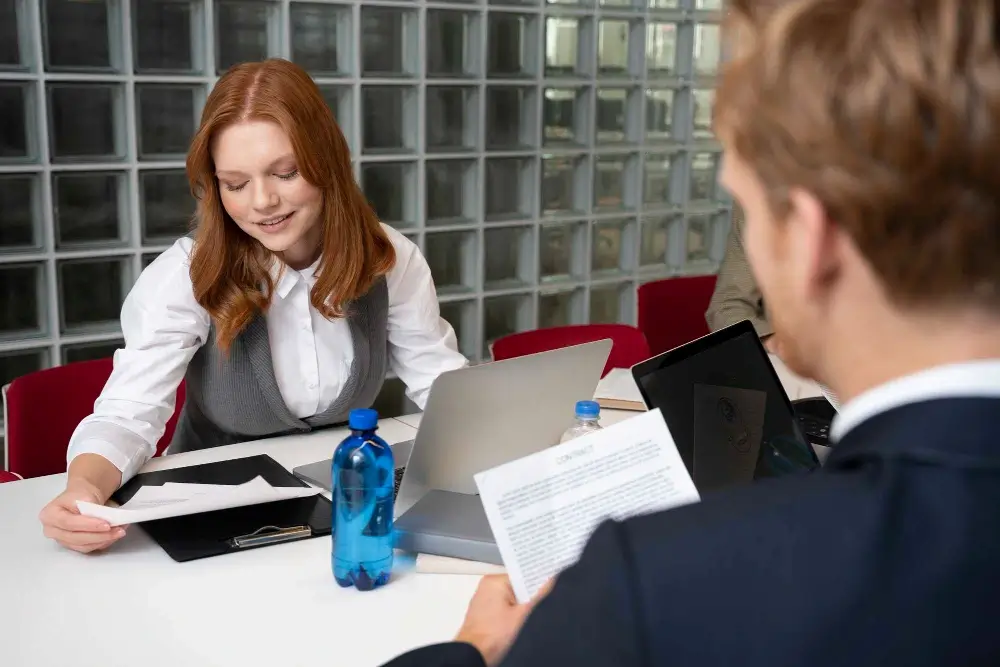
Each conversation serves two goals: showing who the candidate is and gathering information about the program.
Setting the tone

  • Join the meeting 5 to 10 minutes early.
  • Offer a clear, polite greeting when the interviewer arrives.
  • Participate naturally in brief small talk.

Body language

  • Look at the camera when speaking.
  • Nod occasionally to show engagement.
  • Keep hands relaxed and visible when appropriate.
  • Maintain a steady but natural posture.

Answering questions effectively

  • Use a simple, adaptable structure:
    ○ Brief context
    ○ Action taken
    ○ Result
    ○ What was learned
  • Responses do not need to sound memorized, only organized and authentic.

Avoiding common pitfalls

  • Avoid overly long answers; aim for 1 to 2 minutes.
  • Do not speak negatively about programs, colleagues, or healthcare systems.
  • Avoid generic phrases; offer small, concrete examples instead.

Practice interviewing with our experts who trained at top-notch residency programs!

If you are unsure how to handle a sensitive topic, run it by a mentor or advisor first. Many applicants use services like The Match Guy for guidance. Getting quick input keeps interviews smooth without adding stress.

Maintaining safe boundaries

  • If a topic could make someone uncomfortable or be interpreted as biased, steer away from it.
  • This includes politics, stereotypes, or anything that paints a specific group in a negative light.
  • Even if such comments feel normal in casual clinical environments, they don’t translate well in interview settings.
  • Keeping conversations professional helps you stay relaxed without worrying about crossing a line.

Asking meaningful questions

Examples for residents:

  • “What does a typical day look like for a first-year resident?”
  • “How does the program support residents during stressful rotations?”
  • “If you could improve one part of the program, what would it be?”

Examples for faculty:

  • “How are IMGs supported during the early months?”
  • “How is feedback typically delivered?”
  • “What resources are available when a resident is struggling academically or personally?”

Handling unexpected questions

  • Clarify if needed: “I want to be sure I understand; do you mean…?”
  • Take a short pause if the question requires thought.
  • Rephrase if the initial response felt unclear.

Specialty-focused examples

  • Adding one or two specialty-specific questions shows genuine interest in the field rather than just the residency process. These do not need to be highly technical, just thoughtful and aligned with what matters in that specialty.
    ○ “What kind of clinical volume or case mix should I expect in the first year?”
    ○ “How is autonomy introduced and supervised in this specialty?”
    ○ “How often do residents participate in procedures, and how is competency tracked?”
    ○ “What kinds of fellowships do graduates typically pursue from this program?”
    ○ “What subspecialty exposure is strongest here, and how early do residents get involved (especially those interviewing for competitive specialties/programs such as ophthalmology residency programs)?”
  • These questions help shape a more focused conversation and signal that you’re thinking about the actual work and growth within the specialty.

4. Between Residency Interviews

Short breaks can reset energy and focus.

  • Stand, stretch, or walk briefly.
  • Hydrate and snack lightly.
  • Avoid overthinking previous answers.
  • Write two or three quick impressions: resident culture, faculty tone, program vibe, and any notable strengths or concerns.

✅ These notes later help create accurate rank lists.

Watch our video “This Is What A Perfect Residency Interview Looks Like” to see how one of our advisors nails the perfect interview.

Would You Like Us to Help You Ace Your Residency Interviews?

Residency interviews are a decisive step in the application journey, and the most effective way to prepare is focused practice with realistic questions.

To support this, we have a dedicated guide featuring 250+ commonly asked residency interview questions covering behavioral scenarios, IMG-specific topics, ethics, clinical reasoning, and difficult or unexpected prompts.

For applicants who want personalized guidance, our interview coaching package offers one-on-one mock interviews with targeted feedback to refine delivery, improve clarity, and build confidence before interview day.

5. After the interview

a. Reset and decompress

Once the interview ends, create a deliberate pause before jumping into analysis. Interviews consume emotional energy, focus, and adrenaline. A reset helps you separate the experience from the anxiety that naturally follows. Changing clothes signals the end of “performance mode.” Eating something or taking a short walk helps your nervous system return to baseline. Talking briefly to a supportive person gives you perspective without overanalyzing.

This decompression phase is important because it prevents your first thoughts from being shaped by stress rather than reality. Applicants who skip this step often misjudge their own performance. Giving yourself a short break improves clarity before you start documenting impressions.

b. Capture your impressions while they are still fresh

After decompressing, shift into reflection with a calm mind. Your memory will fade quickly, especially if you have back-to-back interviews, so write down everything while your impressions are sharp.

Try to capture both concrete details and the subtle emotional tone of the experience. Sometimes a small moment with a resident, the way faculty spoke about their trainees, or how the program coordinator handled the day tells you more about the culture than the official presentation.

Things to write down immediately

  • Specific names of interviewers and residents you interacted with
  • Any memorable comments or shared moments
  • A summary of each conversation: what you talked about, what you learned, what stood out
  • How the residents interacted with one another
  • How faculty spoke about resident autonomy, supervision, wellness, and expectations
  • Whether the program felt nurturing, intense, balanced, or unclear
  • Whether the patient population aligns with your career interests
  • Any uncertainties that emerged during the interview
  • How well your personal story was received
  • Whether you felt comfortable being yourself

These details will be essential later when programs begin blending together.

Need Expert Help to Ace Your Residency Interviews?

c. Deep evaluation of the program

After writing down factual notes, take a moment to evaluate the program more holistically. Think beyond prestige and focus on how well the environment matches your personality, goals, and needs.

Consider these aspects:

  • Resident culture
    ○ Do residents appear genuinely happy or simply polite?
    ○ Did they speak openly about challenges?
    ○ Do they support one another?
    ○ Did you sense collaboration or quiet competition?
    ○ Could you imagine yourself fitting in with their energy?

  • Faculty-resident dynamics
    ○ Do attendings seem approachable?
    ○ Do they value teaching?
    ○ Do they treat residents with respect?
    ○ Was there enthusiasm when they talked about mentorship?

  • Training quality
    ○ Will you get the volume and acuity needed to grow quickly?
    ○ Does the program offer strong subspecialty exposure?
    ○ Does the structure match your learning style (hands-on, gradual autonomy, etc.)?
    ○ Are there opportunities for electives or rotations that support your long-term plans?

  • Lifestyle and location: Even the best training environment can feel unsustainable if the city makes daily life too difficult. Consider:
    ○ Safety and comfort of the city
    ○ Affordability for the entire residency period
    ○ Ease of transportation
    ○ Distance to family or personal support
    ○ Weather and climate
    ○ Access to community, faith groups, or cultural familiarity

  • Visa and IMG considerations: For international graduates, stability and support matter. Ask yourself:
    ○ Do they support J and/or H1b visa?
    ○ Does the program have a history of training IMGs?
    ○ Did faculty or residents seem knowledgeable about IMG transitions?
    ○ Were they welcoming when you mentioned your background?

  • Emotional impressions: Sometimes the most important signal is internal. Ask yourself:
    ○ How did the program make me feel?
    ○ Did I feel respected?
    ○ Did I feel seen?
    ○ Did I feel rushed or dismissed?
    ○ Did the environment energize or drain me?
    ○ Would I be proud to train here?

These emotional cues are extremely valuable and often predict how you will feel months into residency.
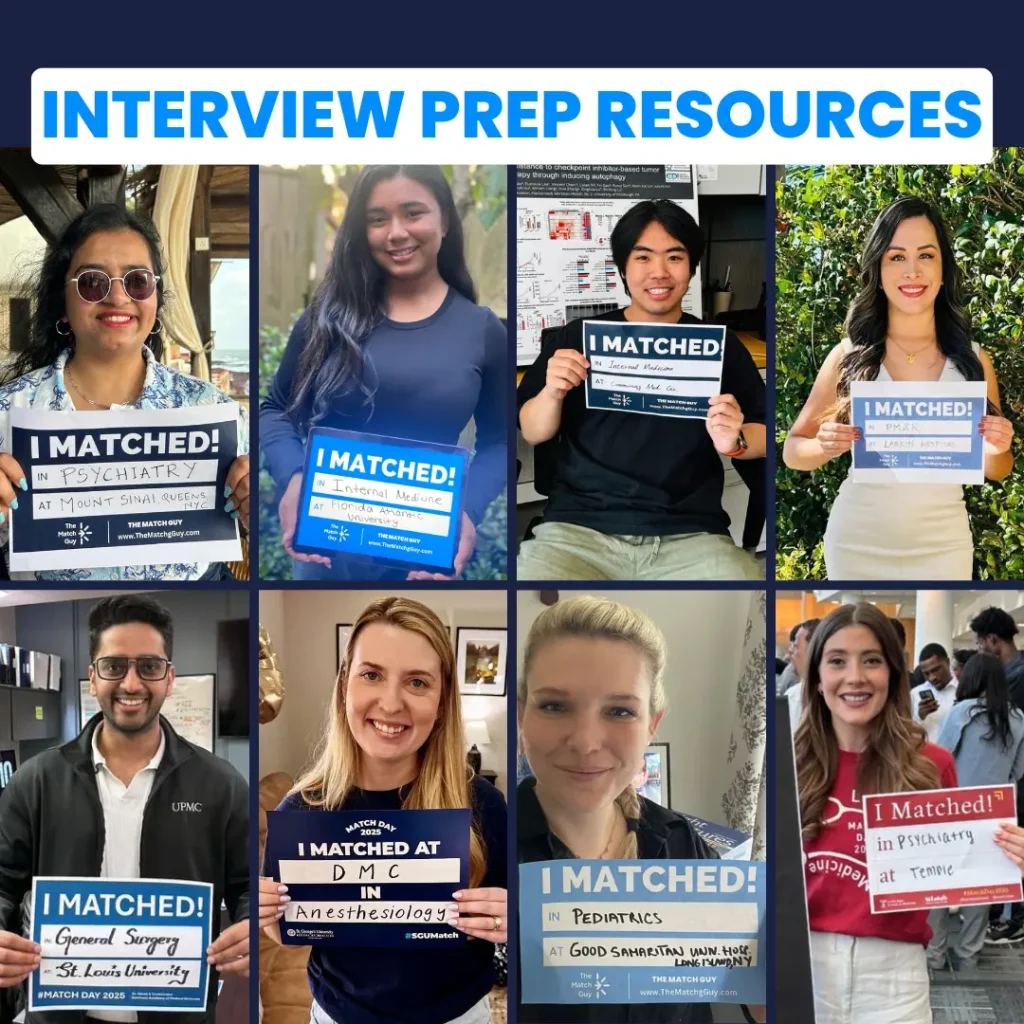
2026/2027 Residency Interview Preparation Resources📦
Get access to 250+ residency interview questions, samples of perfect answers for medical residency interview preparation and other resources!
Delivered Right To Your Inbox📨

d. Send thoughtful thank-you emails

Write your thank-you notes within 24 to 48 hours. Keep them brief but meaningful. You don’t need to write essays or formal letters. Program faculty and residents appreciate sincerity and specificity.

Mention exactly one detail you remember from the conversation, something that shows you were present, not performing.

Examples of strong thank-you details:

  • A moment of shared laughter
  • A discussion about clinical philosophy
  • A resident’s candid advice
  • A case you talked about
  • Something unique about the program that impressed you

You do not need to summarize your entire application. A single personal connection is enough to leave a positive impression.

e. Accept imperfection

The hours after an interview often trigger replaying, overthinking, and self-critique. This is universal. Even the top candidates walk away unsure.

Programs are evaluating qualities that cannot be memorized:

  • Likeability
  • Curiosity
  • Professionalism
  • Teachability
  • Ability to connect
  • How you handle pressure

One imperfect answer, one pause, or one awkward transition will not harm your ranking or undo years of IMG prep. Interview committees value the big picture, not micro-errors.

6. Residency Interview Day Desk Checklist

✅ Laptop and charger
✅ Webcam and/or mic
✅ Ringlight
✅ Laptop stand
✅ Phone on silent
✅ Interview schedule
✅ Short program notes
✅ Question list
✅ Pen and notebook
✅ Water bottle
✅ Light snack
✅ Tissues
✅ Lip balm

Residency Interview Coaching for Match® 2026/2027

Mock sessions and real-time feedback with our Expert Interviewers!

⭐️ Summary

Interview day is not about performance but clarity. It gives programs an honest look at who the candidate already is: capable, prepared, adaptable, and resilient. The most effective strategy is to stay organized, stay curious, and present the best version of oneself with calm confidence, leveraging your unique U.S. clinical experience background.

If you need help with interview coaching or having an expert provide comprehensive feedback on your performance, don’t hesitate to reach out to us HERE!

If you have any questions about any of our services, don’t hesitate to reach out to our customer support service here.

If you’re preparing for the 2026/2027 Residency Interviews, get access to our Residency Interview Preparation Resources, featuring 250+ residency interview questions, sample perfect answers, and exclusive resources to help you excel.

Good luck!
By Michael Azeze Negussie
Latest Articles
Need Help?
About TheMatchGuy
TheMatchGuy is a premier medical consulting firm trusted by over 35,000 students and doctors worldwide. Known for our track record and specialization in helping MATCH® Applicants secure residency spots at programs in the United States 🇺🇸 and exceptional guidance in Research, USMLE prep, and clinical experience services. Learn more about how they can help you achieve your career goals. Schedule a discovery call for FREE now.

RECOMMENDED ARTICLES

Shopping Cart
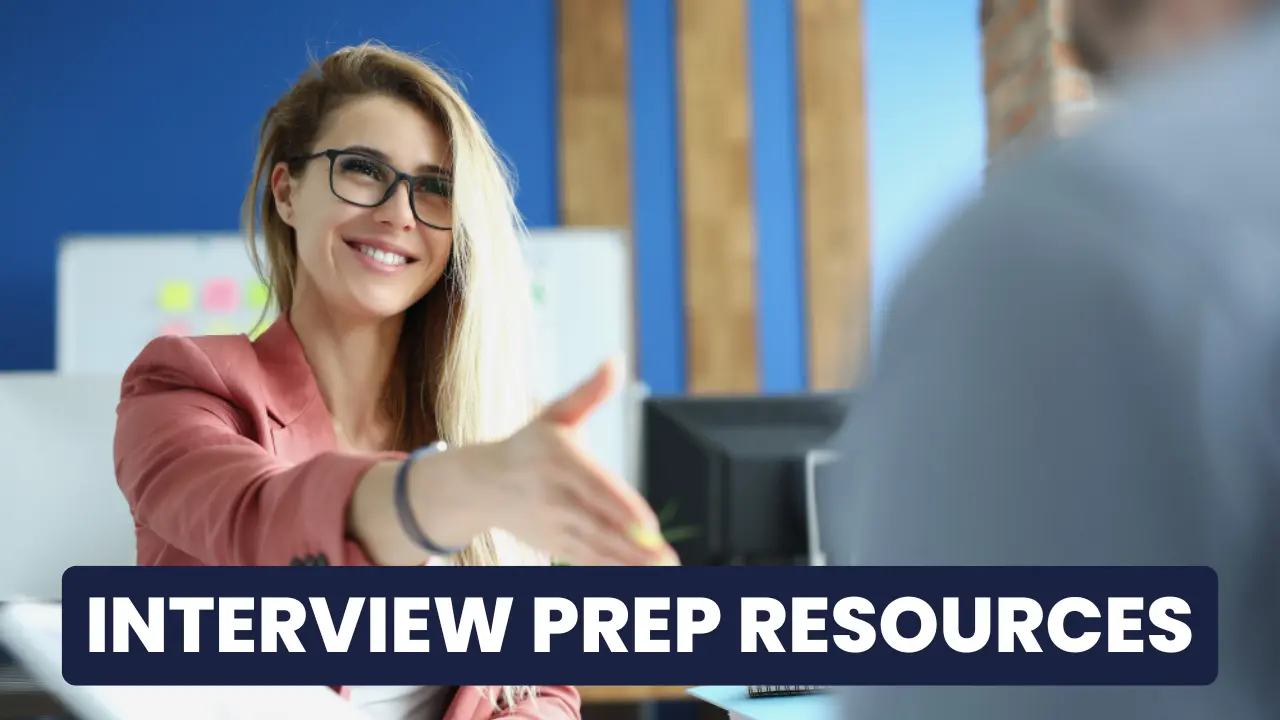
Residency Interview: A person extends a hand for a handshake, with a blue wall and office equipment in the background. The text reads "INTERVIEW PREP RESOURCES."
Get 250+ residency interview questions, samples of perfect answers for medical residency interview preparation and other resources!